
Amit Kapoor
 0 comment
 25 Jun, 2025
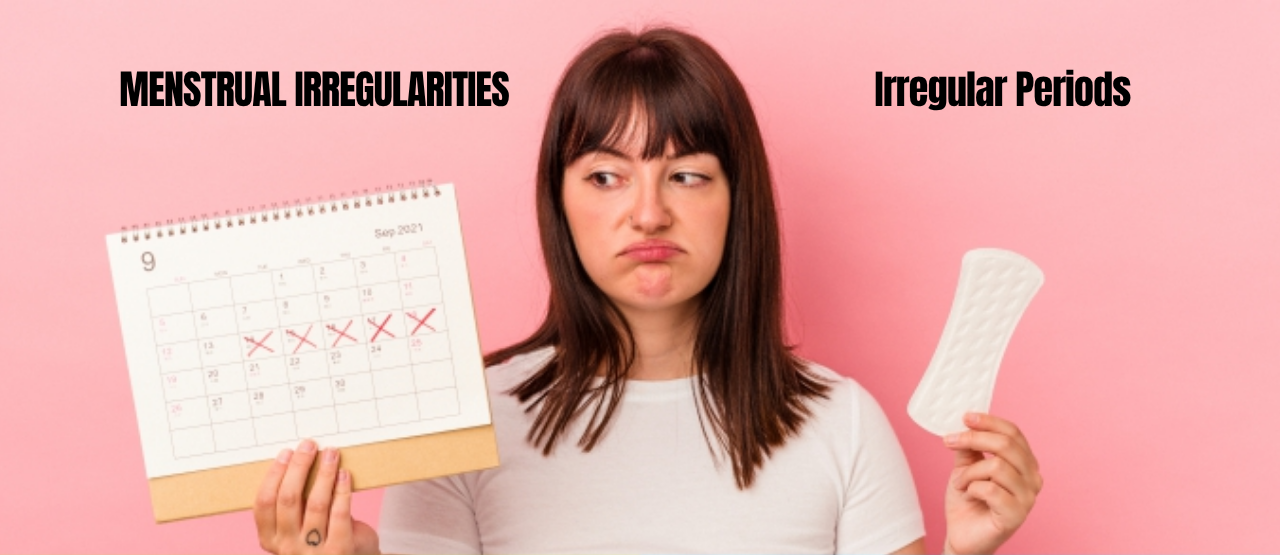
Traditional Chinese Medicine and Menstrual Irregularities: Irregular Periods
Introduction
Welcome, dear readers, to an exploration of how Traditional Chinese Medicine (TCM) approaches the delicate and vital issue of menstrual irregularities, especially irregular periods. For over a thousand years, TCM has woven together ancient wisdom, practical healing, and a profound understanding of the body’s energetic systems to support women’s health. As a seasoned practitioner, I invite you to journey with me into the heart of TCM’s perspective on menstrual health, where balance, harmony, and vitality are nurtured through time-tested methods. Whether you are seeking relief from unpredictable cycles or simply wish to deepen your understanding of your body’s rhythms, this guide offers both insight and hope.
What Are Irregular Periods in TCM?
In TCM, a woman’s menstrual cycle is viewed as a mirror reflecting the state of her overall health—physical, emotional, and energetic. Irregular periods, which may include cycles that are too short, too long, or unpredictable in timing, are seen not just as gynecological concerns but as signals of deeper imbalances in the body’s vital energies: Qi (vital energy), Blood, Yin, and Yang[1][2][3].
TCM distinguishes the menstrual cycle into four phases, each corresponding to shifts in energy and physiological processes:
· Menstrual Phase (Days 1–5): Blood is discharged, and Qi is circulated to support renewal.
· Follicular Phase (Days 6–14): Yin and Blood are nourished to support egg maturation.
· Ovulation (Around Day 14): Yin transforms into Yang, marking the transition to the luteal phase.
· Luteal Phase (Days 15–28): Yang is dominant, supporting the endometrium and preparing for either menstruation or conception[1][4][5].
Irregularities arise when the smooth flow of Qi and Blood is disrupted, or when there is disharmony among the Kidney, Liver, and Spleen organ systems—each of which plays a pivotal role in reproductive health[6][7][3]. Emotional stress, overwork, poor diet, exposure to cold, and lifestyle factors can all contribute to these imbalances[2][3].
Benefits of Addressing Irregular Periods with Acupuncture
Acupuncture and related TCM therapies offer a holistic, non-invasive approach to restoring menstrual regularity. The benefits are multifaceted:
· Regulates Hormonal Balance: By addressing energetic imbalances, acupuncture helps stabilize the hypothalamic-pituitary-ovarian (HPO) axis, which governs the menstrual cycle[8][3].
· Reduces Stress and Emotional Strain: Stress is a major contributor to irregular periods. Acupuncture calms the nervous system, alleviating anxiety and mood swings[4][3].
· Enhances Blood Flow: Improved circulation to the uterus and ovaries supports healthy ovulation and endometrial lining[4][3].
· Relieves Pain and Discomfort: Acupuncture is effective for reducing menstrual cramps, bloating, and other symptoms associated with irregular cycles[4][9].
· Supports Fertility: Regular cycles are foundational for fertility. TCM treatments are often sought by women trying to conceive, especially those with conditions like PCOS or endometriosis[10][11].
· Drug-Free and Safe: Acupuncture is a gentle, side-effect-free alternative to hormonal medications, making it suitable for women who cannot tolerate conventional therapies[8][3].
How Acupuncture Works for Irregular Periods
The TCM approach to irregular periods is highly individualized. A thorough diagnostic process includes:
· Pulse and Tongue Diagnosis: These reveal the state of Qi, Blood, Yin, and Yang, and help identify which organ systems are out of balance[1][7].
· Symptom Assessment: The practitioner evaluates the menstrual cycle’s length, flow, associated pain, and emotional symptoms.
· Personalized Treatment Plan: Based on the diagnosis, a tailored regimen of acupuncture, herbal medicine, and lifestyle advice is developed[6][3].
During an acupuncture session, fine needles are inserted into specific points to regulate Qi and Blood flow, harmonize organ systems, and address the root cause of irregularity. Treatments may be timed to coincide with different phases of the menstrual cycle for optimal results[12][4][11].
Key techniques include:
· Needle Insertion: Targeting points along the Liver, Spleen, Kidney, Ren, and Chong meridians.
· Moxibustion: A warming therapy using mugwort, especially beneficial for women with cold-induced irregularities.
· Cupping and Gua Sha: May be used to further invigorate blood flow and relieve stagnation[13][3].
Conditions Treated
TCM is effective for a wide range of menstrual irregularities, including:
· Amenorrhea: Absence of menstruation.
· Oligomenorrhea: Infrequent periods.
· Polymenorrhea: Frequent periods.
· Menorrhagia: Heavy bleeding.
· Dysmenorrhea: Painful periods.
· Premenstrual Syndrome (PMS): Mood swings, bloating, and discomfort before menstruation[3].
· PCOS and Endometriosis: Conditions often associated with irregular cycles and infertility[8][10].
Common symptoms addressed by TCM include:
· Irregular cycle length
· Spotting between periods
· Heavy or scanty flow
· Painful cramps
· Mood disturbances
Patient Stories or Testimonials
To illustrate the real-world impact of TCM for irregular periods, here are five anonymized case studies:
Case 1: Sarah, 26
Sarah suffered from severe menstrual cramps and irregular cycles since her teens. TCM diagnosis revealed “Cold and Blood Stasis.” After two months of acupuncture and moxibustion targeting points such as Ren 4 (Guanyuan), Ren 3 (Zhongji), and SP6 (Sanyinjiao), Sarah experienced a dramatic reduction in pain and more regular cycles[13].
Case 2: Jessica, 34
Jessica’s cycles ranged from 35 to over 50 days, accompanied by mood swings and insomnia. TCM identified “Liver Qi Stagnation and Blood Deficiency.” Acupuncture at LV3 (Taichong), BL18 (Ganshu), and SP10 (Xuehai) restored regularity and improved her emotional well-being[13].
Case 3: Lean PCOS Patient, 29
A woman with lean PCOS and medication intolerance underwent 24 acupuncture sessions targeting the Chong, Ren, Liver, Spleen, and Kidney meridians. Her menstrual cycles normalized, androgen levels dropped, and she eventually conceived[8].
Case 4: Cheryl (PCOS)
Cheryl was diagnosed with PCOS and irregular periods. After TCM herbal therapy and ovulation tracking, her cycles regulated, and she conceived within six months[10].
Case 5: Kahmahchi (Endometriosis)
Kahmahchi had irregular periods and underwent surgery for endometriosis without relief. After five years of trying, TCM helped regulate her cycles and support conception[10].
Acupuncture Techniques and Points
Below is a table of essential acupuncture points and techniques for addressing irregular periods:
Point Name | Location/Description | Main Actions |
SP6 (Sanyinjiao) | 4 fingers above inner ankle | Regulates menstruation, relieves pain, balances hormones[14][7] |
CV4 (Guanyuan) | 3 fingers below navel | |
LV3 (Taichong) | On foot, between big toe and second toe | |
SP10 (Xuehai) | Inner thigh, above knee | |
BL18 (Ganshu) | Back, level with lower thoracic vertebrae | Supports Liver function, harmonizes Qi[13] |
PC6 (Neiguan) | Inner forearm, 2 fingers above wrist | Calms mind, improves sleep, relieves nausea[13] |
ST36 (Zusanli) | Below knee, lateral to shinbone | Boosts Qi and Blood, strengthens Spleen[13] |
Techniques:
· Acupuncture: Needle insertion at above points
· Moxibustion: Warming therapy for cold or deficient patterns
· Cupping/Gua Sha: For Blood stagnation or pain relief[13][3]
Myths vs. Facts
Myth: Acupuncture is painful.
Fact: Acupuncture needles are very thin and cause minimal discomfort. Most patients find the experience relaxing[9].
Myth: Acupuncture only helps with pain.
Fact: Acupuncture regulates cycles, balances hormones, and addresses emotional symptoms, not just pain[9][11].
Myth: Irregular periods are only a gynecological issue.
Fact: In TCM, irregular periods reflect overall health and are influenced by stress, diet, and lifestyle[2][3].
Myth: TCM is slow and ineffective.
Fact: Many women experience improvements within a few cycles of treatment, especially when combined with lifestyle changes[13][8][10].
Tips for First-Time Patients
· Be Open and Honest: Share your full health history, including emotional and lifestyle factors.
· Commit to Regular Sessions: Weekly treatments for several months yield the best results[12][4][11].
· Follow Lifestyle Advice: Avoid cold foods, manage stress, and practice gentle exercise like yoga or tai chi[3].
· Track Your Cycle: Keep a menstrual diary to help your practitioner tailor your treatment.
· Be Patient: Healing takes time, especially for chronic imbalances.
Conclusion and Call to Action
Irregular periods are more than just a nuisance—they are a sign that your body is calling for balance and care. Traditional Chinese Medicine offers a gentle, holistic path to restoring menstrual regularity, vitality, and overall well-being. By harmonizing Qi and Blood, nourishing Yin and Yang, and addressing the root causes of imbalance, TCM empowers women to reclaim their health and thrive.
If you are struggling with irregular periods, consider reaching out to a qualified TCM practitioner. Together, you can embark on a journey of healing, guided by ancient wisdom and modern understanding. Take the first step toward balance—your body and spirit will thank you.
⁂
1. https://www.herbalreality.com/condition/menstrual-health-traditional-chinese-medicine-perspective/
2. http://familytreeacupuncture.com.au/irregular-or-painful-periods/
3. https://www.trtgulf.com/how-traditional-chinese-medicine-tcm-can-help-with-menstrual-irregularities/
4. https://www.artofchinesehealing.com/services/womens-health/irregular-painful-menstruation
5. https://www.ginsen-london.com/blog/irregular-period-treatment/
6. https://www.madampartum.com/tcm-for-hormonal-imbalance-and-irregular-cycles-too-good-to-be-true/
7. https://www.orientalremediesgroup.com/can-tcm-help-with-irregular-menstruation/
8. https://www.heraldopenaccess.us/openaccess/acupuncture-for-lean-type-polycystic-ovary-syndrome-pcos-a-case-report
9. https://lokahiacupuncture.com/acupuncture-menstrual-cycle-issues/
10. https://emw.sg/tcm-fertility-success-stories/
11. https://pmc.ncbi.nlm.nih.gov/articles/PMC3962314/
12. https://www.womenshealthmelbourne.com.au/blog/can-acupuncture-regulate-the-menstrual-cycle-ma
13. https://www.willatcm.com/single-post/how-acupuncture-can-help-with-dysmenorrhea-and-irregular-periods-real-patient-case-studies
14. https://www.thelittlepin.com/blog/essential-acupuncture-points-for-harmonizing-the-menstrual-cycle

Amit Kapoor
0 comment