Amit Kapoor
 0 comment
 23 Jun, 2025
TCM Meridians
Welcome, dear readers, to a journey into the heart of Traditional Chinese Medicine (TCM), where the ancient concept of meridians—channels of life energy—has guided healing for millennia. As a master of acupuncture and TCM, I invite you to explore the profound wisdom and practical applications of these invisible pathways that keep us vibrant, balanced, and whole.
What Are Meridians in TCM?
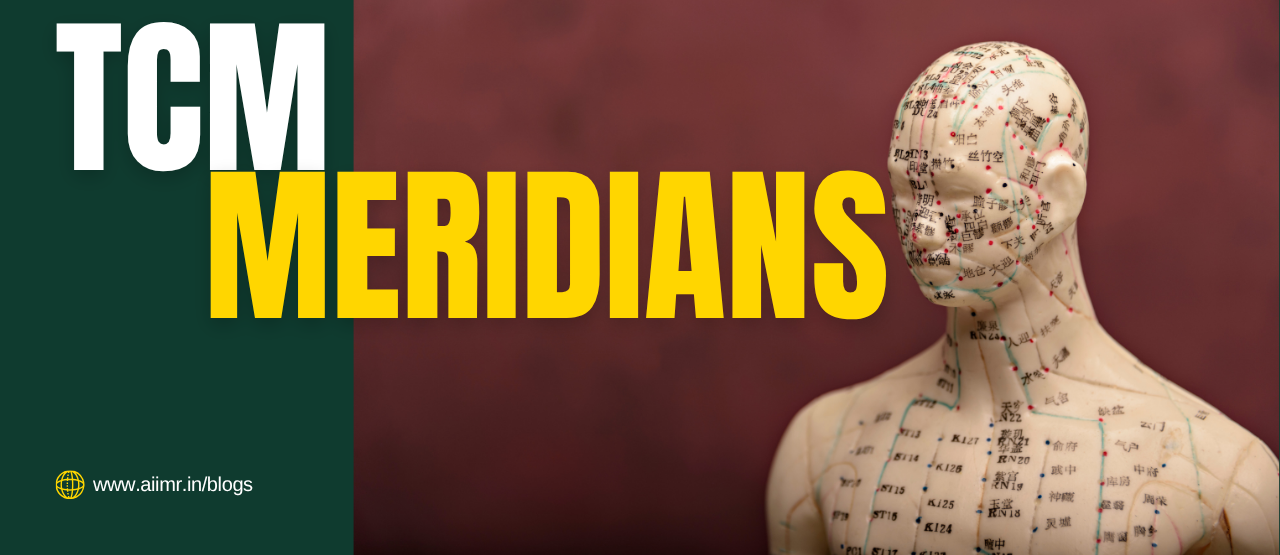
In TCM, meridians are the invisible channels that circulate qi (vital energy) and blood throughout the body, linking the internal organs with the surface and extremities. Think of them as a vast, intricate network—much like a highway system—that maintains balance and harmony between all parts of the body and mind. Unlike Western medicine, which focuses on physical structures like nerves and blood vessels, TCM sees health as a dynamic flow of energy and information through these meridians.
The meridian system is divided into several layers:
· Jingmai (經脈): The main meridian channels, including the 12 principal meridians and eight extraordinary vessels.
· Luomai (絡脈): Collateral vessels that branch off the main meridians, connecting them to each other and to the body’s tissues.
· Subcollaterals: Even finer branches that reach every part of the body, ensuring that qi and blood nourish every cell.
Each of the 12 principal meridians is associated with a specific organ, either solid (yin) or hollow (yang), and runs along a particular limb—arm or leg. The eight extraordinary vessels serve as reservoirs of energy, influencing overall vitality and health.
Significance and Comparison to Western Medicine
In Western medicine, the body is understood through anatomy and physiology: blood vessels, nerves, and organs. In TCM, the focus is on the flow of qi and blood through meridians, which cannot be seen but are believed to be essential for health. When this flow is smooth and balanced, the body thrives; when blocked or disrupted, illness arises.
TCM also integrates the Five Elements theory, assigning qualities and correspondences to each organ and meridian, which helps guide diagnosis and treatment. This holistic approach considers not only physical symptoms but also emotional, mental, and environmental factors.
Benefits of Addressing Meridian Imbalances with Acupuncture
Acupuncture and related TCM therapies offer unique benefits for restoring meridian balance:
· Restores Energy Flow: By stimulating specific points, acupuncture helps clear blockages and promotes the smooth flow of qi and blood.
· Relieves Pain and Discomfort: Many pain conditions are linked to stagnant or deficient qi in the meridians.
· Enhances Organ Function: Since each meridian is connected to an organ, balancing the meridian supports the organ’s health.
· Reduces Stress and Anxiety: Meridian therapies can calm the mind and regulate emotions, as many meridians are linked to emotional well-being.
· Boosts Immunity and Vitality: Balanced meridians strengthen the body’s defenses and overall energy.
How Acupuncture Works for Meridian Health
During an acupuncture session, the practitioner carefully assesses the patient’s condition through observation, pulse diagnosis, and questioning. Based on this, specific points along the meridians are chosen to address imbalances.
Key Steps in a Session:
1. Diagnosis: The practitioner identifies which meridians and organs are out of balance.
2. Point Selection: Needles are inserted into precise points to regulate the flow of qi.
3. Stimulation: Techniques such as gentle manipulation, heat (moxibustion), or electrical stimulation may be used.
4. Integration: The treatment aims to restore harmony among the organs, meridians, and the whole person.
Common Points and Methods:
· Lung Meridian (LU): Used for respiratory issues and grief.
· Liver Meridian (LV): For stress, anger, and detoxification.
· Stomach Meridian (ST): For digestion and grounding.
· Heart Meridian (HT): For emotional balance and cardiovascular health.
Conditions Treated Through Meridian Balance
Meridian therapies can address a wide range of conditions, including:
· Chronic pain (back, neck, joints)
· Digestive disorders
· Respiratory issues (asthma, allergies)
· Emotional imbalances (anxiety, depression)
· Sleep disturbances
· Headaches and migraines
· Fatigue and low immunity
Patient Stories and Testimonials
Case 1: A 45-year-old woman with chronic lower back pain found relief after a series of acupuncture sessions focused on the Bladder and Kidney meridians, which are closely linked to the lower back in TCM.
Case 2: A young man struggling with anxiety and insomnia responded well to treatments on the Heart and Pericardium meridians, calming his mind and improving sleep.
Case 3: A middle-aged man with digestive discomfort saw improvement after acupuncture on the Stomach and Spleen meridians.
Case 4: A woman with recurring migraines found her symptoms diminished after balancing the Liver and Gallbladder meridians.
Case 5: An elderly gentleman with respiratory issues benefited from treatments on the Lung meridian, enhancing his breathing and energy.
Acupuncture Techniques and Key Meridian Points
Below is a table summarizing the 12 principal meridians, their associated organs, and common uses:
Meridian Name | Yin/Yang | Extremity | Organ | Common Uses |
Lung (LU) | Yin | Hand | Lung | Respiration, grief |
Large Intestine (LI) | Yang | Hand | Large Intestine | Digestion, detoxification |
Stomach (ST) | Yang | Foot | Stomach | Digestion, grounding |
Spleen (SP) | Yin | Foot | Spleen | Digestion, immunity |
Heart (HT) | Yin | Hand | Heart | Emotional balance, circulation |
Small Intestine (SI) | Yang | Hand | Small Intestine | Digestion, clarity |
Bladder (BL) | Yang | Foot | Bladder | Lower back, detoxification |
Kidney (KI) | Yin | Foot | Kidney | Vitality, lower back |
Pericardium (PC) | Yin | Hand | Pericardium | Emotional protection, heart |
Triple Burner (TB) | Yang | Hand | Triple Burner | Metabolism, fluid regulation |
Gallbladder (GB) | Yang | Foot | Gallbladder | Decision-making, detoxification |
Liver (LV) | Yin | Foot | Liver | Stress, detoxification |
Myths vs. Facts
Myth: Meridians are the same as blood vessels or nerves.
Fact: Meridians are energetic pathways, not physical structures, and cannot be seen with the naked eye.
Myth: Acupuncture is only for pain relief.
Fact: Acupuncture can address a wide range of conditions by balancing the flow of qi in the meridians.
Myth: Meridian theory is unscientific.
Fact: While not recognized by Western science in the same way, meridian theory is a sophisticated system with a rich clinical tradition and growing research interest.
Tips for First-Time Patients
· Relax and Trust the Process: Acupuncture is gentle and safe when performed by a qualified practitioner.
· Communicate Openly: Share your symptoms, concerns, and goals with your acupuncturist.
· Stay Hydrated: Drink plenty of water before and after your session to support detoxification.
· Wear Comfortable Clothing: Loose-fitting clothes make it easier to access acupuncture points.
· Be Patient: Healing is a process; multiple sessions may be needed for lasting results.
Conclusion and Call to Action
The meridian system is the foundation of health in TCM, connecting body, mind, and spirit through the flow of qi and blood. By understanding and caring for your meridians, you can unlock your body’s innate healing potential and live a more balanced, vibrant life. If you are curious about how acupuncture and TCM can support your well-being, I encourage you to book a session and experience the wisdom of the meridians for yourself.
May your qi flow freely, and your health flourish!
⁂

Amit Kapoor
0 comment