Amit Kapoor
 phlegm, Blood Stasis, Internal Wind
 1 comment
 14 Jun, 2025
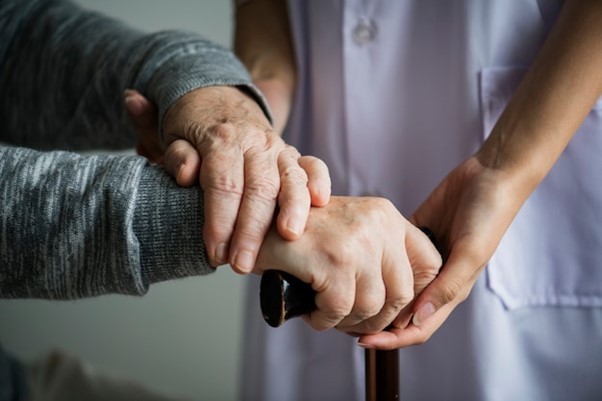
In Chinese Medicine (CM), the study of geriatrics has long been associated with Kidney deficiency, a decline of Kidney-Jing (essence) that occurs naturally with aging. This concept forms the foundation for treating elderly patients, with a predominant focus on tonifying the Kidneys to restore vitality. However, as modern diseases of aging—such as heart disease, stroke, and cancer—dominate mortality rates, a paradigm shift is necessary.
Interestingly, most life-threatening conditions in the elderly are characterized by Fullness rather than deficiency, underscoring the need to address pathogenic factors such as Phlegm, Blood Stasis, and Internal Wind. These factors are not only implicated in severe illnesses but also underlie a variety of common geriatric symptoms and signs. By expanding our understanding of these factors, we can adopt a more comprehensive and preventive approach to elder care in Chinese Medicine.
The Dominant Pathogenic Factors in Geriatric Diseases
Phlegm:
Phlegm is a pathological accumulation of fluids that obstructs the flow of Qi and Blood, affecting the body and mind. In geriatrics, Phlegm manifests in numerous conditions:
Alzheimer’s disease (neurofibrillary tangles and plaques in the brain are considered a form of Phlegm)
Blood Stasis:
Blood Stasis occurs when Blood flow is impaired, leading to stagnation. This factor is particularly relevant in vascular and degenerative conditions:
Internal Wind:
Internal Wind arises from disturbances in the Liver and can manifest in tremors, spasms, and neurological conditions. In the elderly, Internal Wind is a major factor in diseases like:
These three factors frequently overlap, creating complex clinical pictures. For example, conditions such as dizziness and numbness may result from both Phlegm and Internal Wind, while dry eyes may involve Blood Stasis.
Geriatric Symptoms and Tongue Diagnosis
Tongue Diagnosis
In elderly patients, the tongue is a vital diagnostic tool that reflects the presence of Full conditions:
For example:
By examining the tongue, practitioners can gain invaluable insight into the underlying imbalances and address them effectively.
Pulse Diagnosis
Unlike the traditional assumption that elderly patients present with Weak pulses, their pulses often reflect Fullness. Common pulse characteristics include:
These diagnostic markers reinforce the idea that pathogenic factors, rather than deficiency, dominate the clinical picture in geriatrics.
Key Treatment Principles for Geriatric Diseases
In light of the dominance of Full conditions, the treatment of elderly patients should focus on:
Blood Stasis is a major contributor to many geriatric conditions, particularly vascular diseases like macular degeneration, hair loss, and dry skin. Invigorating Blood ensures proper circulation, nourishes the tissues, and alleviates symptoms caused by stagnation.
Phlegm is a common culprit behind symptoms such as dizziness, memory loss, and brain fog. Resolving Phlegm not only addresses these symptoms but also plays a preventive role in more serious conditions like Alzheimer’s and stroke.
Internal Wind often leads to tremors, spasms, and neurological disturbances like Parkinson’s disease. Extinguishing Wind calms the nervous system, alleviating symptoms and preventing further deterioration.
These principles, grounded in Chinese Medicine, highlight the importance of addressing pathogenic factors rather than focusing solely on tonification.
Resolving Misconceptions: Does Treating Pathogenic Factors Weaken the Elderly?
A common concern is that eliminating pathogenic factors may weaken older patients. However, clinical practice shows otherwise. Addressing Phlegm, Blood Stasis, and Internal Wind often restores vitality and improves quality of life. For example:
The key lies in tailoring treatments to the individual, using gentle yet effective techniques to restore balance without overburdening the patient.
Tools for Treatment
Herbal Medicine
Herbal formulas are central to addressing pathogenic factors in the elderly:
Acupuncture
Acupuncture is a powerful tool for addressing geriatric conditions:
Lifestyle Adjustments
Diet and exercise also play an important role in managing geriatric conditions:
Prevention: The Best Medicine
While treating existing conditions is essential, prevention is equally critical. Regular monitoring of tongue and pulse, combined with preventive herbal therapy, can address early signs of Phlegm, Blood Stasis, and Internal Wind before they manifest as full-blown illnesses.
For example:
Conclusion
The treatment of geriatric patients in Chinese Medicine must adapt to the realities of modern aging. While Kidney deficiency remains a significant aspect, addressing Phlegm, Blood Stasis, and Internal Wind is crucial for managing the diseases and symptoms of old age. By focusing on these pathogenic factors, practitioners can improve the quality of life for elderly patients, not only alleviating their symptoms but also preventing more severe illnesses.
With its holistic approach, Chinese Medicine offers a nuanced and compassionate path to elder care, honoring the wisdom of the body while addressing the challenges of aging.


Amit Kapoor
1 comment
Amit Kapoor
25 Jul, 2025 at 06:02 PM
good