Amit Kapoor
 1 comment
 23 Jun, 2025
Lungs meridian
The Lung Meridian, known as the Hand Taiyin (Lung) Meridian, stands as a cornerstone in Traditional Chinese Medicine (TCM), embodying the vital connection between breath, life, and the body’s energetic balance. Drawing upon over a thousand years of accumulated wisdom—including insights from Master Tung’s, Auricular, Balance Method, Diet, and Scalp Acupuncture—this blog post will illuminate the Lung Meridian’s profound significance, its clinical applications, and how acupuncture can restore harmony to this essential pathway.
Introduction
Welcome, seekers of health and wisdom. In TCM, the Lung Meridian is revered as the “Prime Minister” of the body, orchestrating the flow of qi and blood, and serving as the first line of defense against external pathogens. As autumn’s winds whisper and the air grows crisp, the Lung Meridian’s influence is felt most keenly—reminding us of the inseparable link between breath and vitality. In this comprehensive guide, we will journey through the Lung Meridian’s landscape, explore its healing potential, and offer practical advice for nurturing lung health in the modern world.
What is the Lung Meridian in TCM?
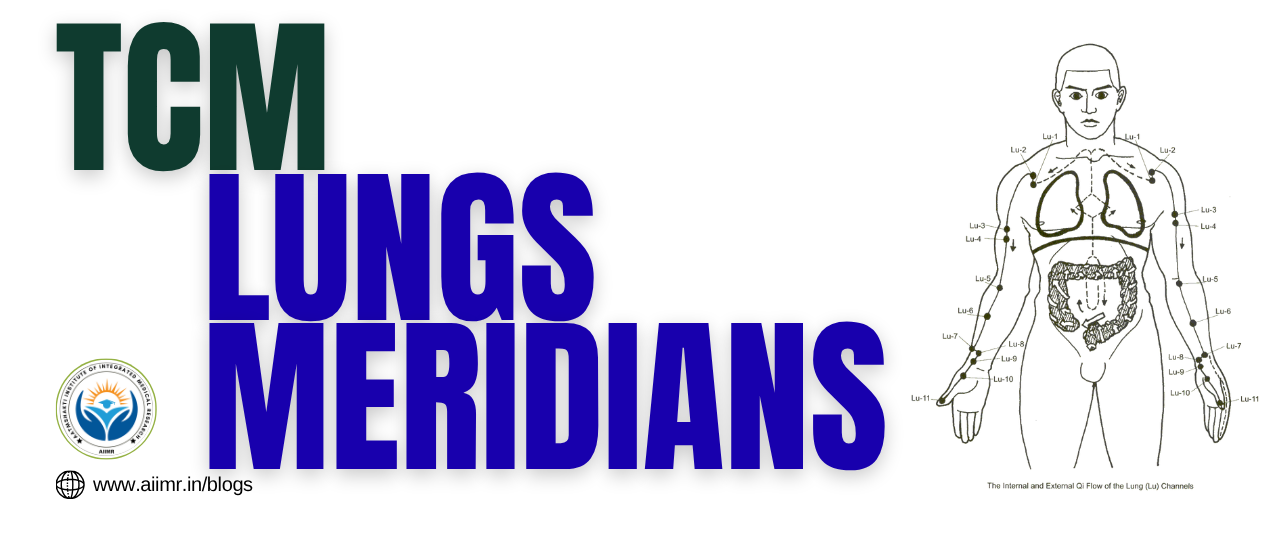
In TCM, the Lung Meridian is one of the twelve regular meridians, originating in the middle Jiao (central region of the torso) and descending to connect with the Large Intestine. Its pathway is intricate: starting deep within the body, emerging in the chest, traveling down the inner arm, and ending at the thumb’s radial side. This meridian is classified as Yin, associated with the Metal element, autumn, and the sense of smell.
Unlike Western medicine, which views the lungs primarily as organs of respiration, TCM sees the Lung Meridian as a holistic system governing breath, immunity, skin health, fluid metabolism, and emotional resilience. The Lung Meridian is also responsible for “descending and disseminating” qi—ensuring that energy and fluids circulate smoothly throughout the body.
Benefits of Addressing Lung Meridian Imbalance with Acupuncture
Acupuncture, with its roots in ancient wisdom, offers a powerful tool for restoring balance to the Lung Meridian. By stimulating specific points, acupuncture can:
· Enhance Respiratory Function: Relieve cough, wheezing, asthma, and shortness of breath.
· Boost Immunity: Strengthen the body’s defense against colds, flu, and allergies.
· Nourish the Skin: Alleviate conditions like eczema and psoriasis by improving circulation and detoxification.
· Regulate Fluids: Reduce edema, sweating disorders, and urinary issues.
· Support Emotional Well-being: Address grief, anxiety, and depression by harmonizing qi flow.
· Promote Detoxification: Aid the Large Intestine in eliminating waste, reflecting the Lung Meridian’s close partnership with this organ.
How Acupuncture Works for the Lung Meridian
The diagnostic process in TCM begins with a thorough assessment of the patient’s symptoms, pulse, and tongue. Practitioners observe patterns such as deficiency or excess, cold or heat, and internal or external imbalances.
During an acupuncture session, fine needles are inserted at key points along the Lung Meridian. The practitioner may also use moxibustion, cupping, or acupressure to enhance the effect. The goal is to unblock stagnant qi, tonify deficiency, and harmonize the body’s energy.
Key points commonly used include:
· Lu-1 (Zhongfu): For chest tightness, cough, and asthma.
· Lu-7 (Lieque): For headaches, neck stiffness, and respiratory issues.
· Lu-9 (Taiyuan): For wrist pain, cough, and to tonify lung qi.
· Lu-11 (Shaoshang): For sore throat, fever, and to clear heat.
Conditions Treated by Lung Meridian Acupuncture
Imbalances in the Lung Meridian can manifest in a wide range of symptoms and conditions, including:
· Respiratory Issues: Cough, asthma, bronchitis, emphysema, shortness of breath.
· Skin Disorders: Eczema, psoriasis, dry skin, acne.
· Immune Weakness: Frequent colds, allergies, hay fever.
· Emotional Distress: Grief, anxiety, depression.
· Other Symptoms: Chest tightness, palpitations, fatigue, constipation, edema, and wrist or forearm pain.
Patient Stories or Testimonials
Case 1:
A 45-year-old woman with chronic asthma and anxiety found relief after a series of acupuncture treatments focused on Lung Meridian points. Her breathing improved, and she reported feeling more emotionally resilient.
Case 2:
A young man with persistent eczema and frequent colds experienced significant skin improvement and fewer infections after regular Lung Meridian acupuncture and dietary adjustments.
Case 3:
An elderly patient with chronic cough and fatigue regained energy and reduced coughing after targeted Lung Meridian treatments, combined with breathing exercises.
Case 4:
A middle-aged man with grief-related insomnia and chest tightness found solace and improved sleep through Lung Meridian acupuncture and emotional support.
Case 5:
A teenager with seasonal allergies and nasal congestion saw a marked reduction in symptoms after a course of Lung Meridian acupuncture and herbal therapy.
Acupuncture Techniques and Points for the Lung Meridian
Below is a table summarizing essential Lung Meridian points and their clinical applications:
Point Name | Location | Main Indications |
Lu-1 Zhongfu | Chest, below clavicle | Cough, asthma, chest tightness |
Lu-5 Chize | Elbow crease, radial side | Cough, sore throat, asthma |
Lu-7 Lieque | Wrist, above radial styloid | Headache, neck pain, respiratory issues |
Lu-9 Taiyuan | Wrist crease, radial artery | Wrist pain, cough, tonifies lung qi |
Lu-10 Yuji | Palm, thumb base | Sore throat, cough, fever |
Lu-11 Shaoshang | Thumb, radial nail corner | Sore throat, fever, clears heat |
Myths vs. Facts
Myth: Acupuncture on the Lung Meridian is only for respiratory problems.
Fact: Lung Meridian acupuncture addresses a wide range of issues, including skin, immune, emotional, and digestive health.
Myth: Lung Meridian points are only on the chest and arms.
Fact: While most points are on the upper body, the meridian’s influence extends throughout the body via its internal branches.
Myth: Acupuncture is painful and unsafe.
Fact: Acupuncture is generally gentle and safe when performed by a trained practitioner. Most patients report minimal discomfort and significant benefits.
Tips for First-Time Patients
· Relax: Acupuncture is a gentle, relaxing experience. Breathe deeply and let go of tension.
· Stay Hydrated: Drink water before and after your session to support detoxification.
· Wear Comfortable Clothing: Loose sleeves allow easy access to arm points.
· Communicate: Share your health concerns and goals with your practitioner.
· Follow Up: Consistency enhances results. Plan for a series of sessions for lasting benefits.
Conclusion and Call to Action
The Lung Meridian is a vital channel of life, breath, and resilience. By nurturing this pathway through acupuncture, diet, and mindful breathing, you can unlock new levels of health and well-being. If you are experiencing respiratory issues, skin problems, emotional distress, or simply wish to strengthen your immunity, consider exploring the healing potential of the Lung Meridian with a qualified TCM practitioner. Take the first step toward balance—breathe deeply, and embrace the wisdom of the ages.
May your qi flow freely, and your lungs be ever strong.
⁂

Amit Kapoor
1 comment
Sweata Meel
26 Jun, 2025 at 11:22 PM
Very detailed explanation