Amit Kapoor
 0 comment
 14 Jun, 2025
Understanding Blood Deficiency in Chinese Medicine
The Origins of Blood
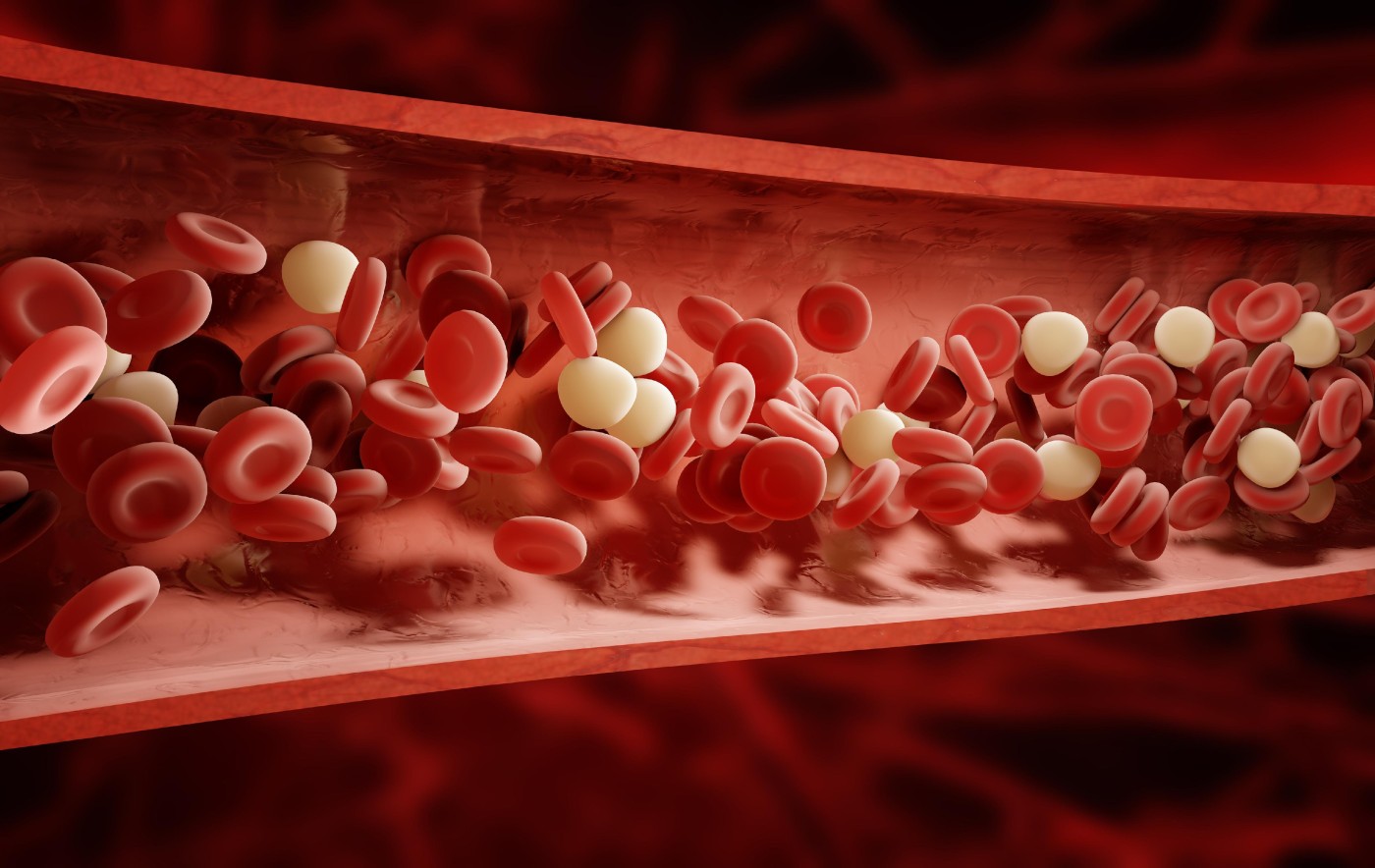
In traditional Chinese medicine (TCM), Blood is considered a vital substance that nourishes and supports the body. The primary source of Blood is Gu Qi (Food-Qi), produced by the Spleen. The Spleen sends this Gu Qi upward to the Lungs, and with the help of Lung-Qi, it is delivered to the Heart, where it is transformed into Blood.
Additional factors also play crucial roles:
· Yuan Qi (Original Qi) supports the transformation of Gu Qi into Blood.
· The Kidneys store Jing (Essence), which generates marrow. Marrow, in turn, contributes to Blood formation.
As a Qing dynasty physician, Zhang Lu, explained:
“If Qi is not exhausted, it returns essences to the Kidneys to be transformed into Jing; if Jing is not depleted, it returns to the Liver to be transformed into Blood.”
This process highlights the importance of both the Spleen (Post-Heaven Qi) and Kidneys (Pre-Heaven Qi) in Blood formation. Therefore, to nourish Blood, it is essential to strengthen both the Spleen and Kidneys.
What Is Blood Deficiency?
Blood deficiency is one of the most common patterns in TCM, especially among women. It often underlies many other health issues and is more prevalent in women due to factors like menstruation, diet, overwork, and emotional stress.
Types of Blood Deficiency
1. Liver-Blood Deficiency
o Functions: Nourishes sinews, hair, eyes, nails; houses the Hun; stores Blood and is linked to the uterus.
o Symptoms: Cramps, numbness, dry hair, blurred vision, brittle nails, insomnia, excessive dreaming, scanty or absent periods.
2. Heart-Blood Deficiency
o Symptoms: Palpitations, insomnia, mild anxiety, poor memory, dizziness, pale complexion.
3. Spleen-Blood Deficiency
o Symptoms: Poor appetite, tiredness, pale complexion, weak limbs, loose stools, thin body, pale lips.
Tongue and Pulse in Blood Deficiency
· Tongue: Pale, slightly dry, and ideally thin (though often swollen due to Dampness or Phlegm).
· Pulse: Choppy or Fine (also called Thin or Thready).
Complexion and Other Signs
· Dull-pale complexion is a reliable sign of Blood deficiency.
· Emotional issues may be present, as Blood deficiency can affect the Shen (spirit), leading to anxiety, insomnia, or depression.
Blood and Tian Gui (Menstrual Blood)
In TCM gynecology, there is a distinction between “ordinary” Blood and Tian Gui (menstrual blood). Tian Gui is considered a special type of “Water” that originates from the Kidneys and is not the same as the Blood stored by the Liver. However, both types of Blood are interconnected, and a deficiency in one can affect the other.
Liver-Blood in Gynecology
The Liver plays a central role in women’s health by storing Blood and supplying it to the uterus. Liver-Blood deficiency can lead to:
· Infertility
· Scanty or absent periods
· Dry skin and hair
Common Patterns Associated with Liver-Blood Deficiency
· Liver-Qi stagnation: Often secondary to Liver-Blood deficiency.
· Liver-Yang rising: Can cause headaches, dizziness, and visual disturbances.
· Wind-Heat in the skin: Leads to itching, dryness, or scaling.
· Empty Heat: Feeling of heat in the face, red cheekbones.
· Heart-Blood deficiency: Poor memory, insomnia, anxiety.
· Kidney-Yin or Yang deficiency: Affects fertility and overall vitality.
· Cold in the Uterus: Makes the uterus vulnerable to cold.
· Qi deficiency: Weakness and fatigue.
· Liver-Blood stasis: Blood not moving properly, leading to stagnation.
Treatment of Blood Deficiency
Treatment depends on which organ is affected and whether the deficiency is of “ordinary” Blood or Tian Gui.
Acupuncture Points
· Liver-Blood deficiency: LIV-8, ST-36, SP-6, BL-18, BL-17 (with moxa)
· Heart-Blood deficiency: HE-7, BL-15, BL-17 (with moxa), Ren-15
· Spleen-Blood deficiency: BL-20, BL-21, Ren-12, ST-36, SP-6
· Deficiency of Tian Gui: LIV-8, ST-36, SP-6, Ren-4, KI-3, BL-23
Blood and the Mind
Blood is closely linked to the mind and emotions. Heart-Blood houses the Shen (spirit), and Liver-Blood houses the Hun (ethereal soul). Deficiency in Blood can lead to anxiety, insomnia, or depression, depending on whether it is associated with Qi or Yin deficiency.
Blood: The Bridge Between Qi and Yin
Blood is both a fluid (Yin) and a vital substance related to Qi. It sits at the intersection of Qi and Yin, and its deficiency can manifest as either depression (if Qi is also deficient) or anxiety (if Yin is deficient).
Summary
Blood deficiency is a common and complex pattern in TCM, especially in women. It affects multiple organs and can lead to a wide range of physical and emotional symptoms. Treatment focuses on nourishing Blood, strengthening the Spleen and Kidneys, and addressing any associated patterns. Understanding the distinction between “ordinary” Blood and Tian Gui is crucial in gynecological health. With the right approach, Blood deficiency can be effectively managed, restoring balance and vitality.

Amit Kapoor
0 comment